About the Project

WHat

Is the CLIFF Project

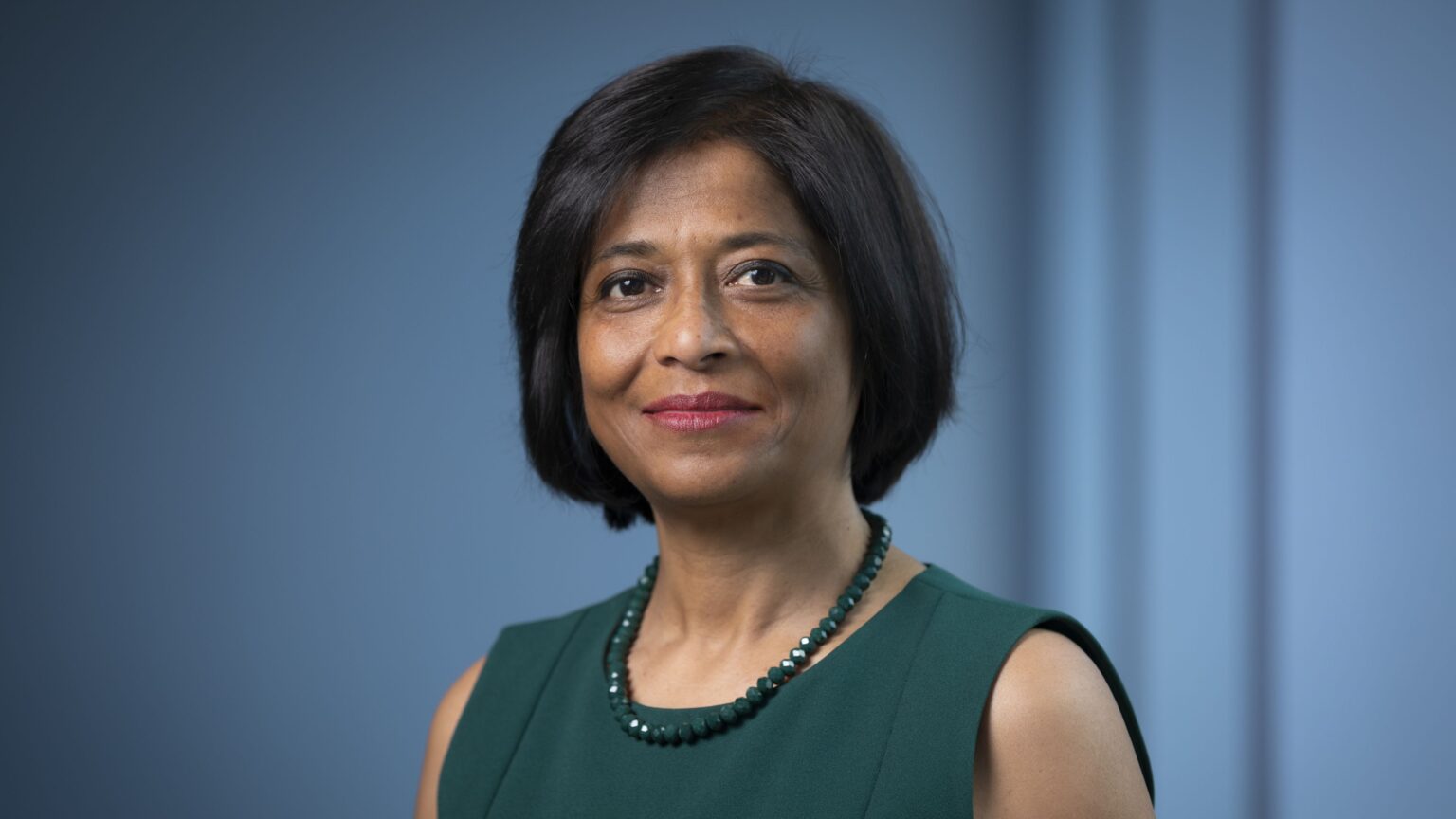
Our principal investigator, Professor Joyeeta Gupta, examines the changing equity dimensions and geopolitics of fossil fuel resources, reserves, investment, and their related financial streams. This includes who owns, sells, finances, buys, and controls fossil fuels; who may be left with stranded assets and stranded resources; and who is affected by the temporal dimension of a fossil fuel phaseout. Gupta investigates the key political, legal, and social institutions and bottlenecks in shifting to a fossil-free future, and in how the related financial streams can be made coherent. She is interested in solutions to these bottlenecks, the role of countervailing powers globally, and whether a deep analysis of these issues might lead us to a new definition of development, of state and interstate responsibility, and of governance should be organized in an Agenda 2030 world.

What is the role of big investors in LFFU? What are the North-South implications of LFFU? And what measures can be taken by whom to equitably allocate and accelerate shareholder and stakeholder responsibility in energy transformation for inclusive development?
Why

Was the project set up

To halt climate change, the 2015 Paris Agreement implicitly requires leaving fossil fuels underground (LFFU) and the coherent financial flows that would enable decarbonization. This will strand anywhere between $16-300 trillion of fossil fuel resources and assets, affecting big investors: fossil fuel firms, shareholders, debt financiers and governments. Research is scarce on these big investors, the implications of LFFU for developing countries with fossil fuel resources and how LFFU can be equitably mobilized.

Who

Do we focus on

Our research investigates big investors and countries with new fossil fuel discoveries, as well as other growing vested interests in opposing needed climate policy, all within changing global North-South dynamics. We focus on the following actor groups:


Fossil Fuel Firms

Global worth as much as $300 trillion; many have
valuations higher than most countries.

Pension Funds

Controlled 51 percent of 2019 GDP; managed between $270
and $980 billion in liquid fossil fuel assets in 2019.

Debt Financiers

US, EU, and Asian banks lent $2.7 trillion (2015–20) for fossil fuels.

Low- and Middle-Income Countries

Nearly 85 percent of global oil reserves and 67 percent of coal reserves are
found in LMICs outside of North America and Europe

Philanthropies

Have $100s of billions in total assets, many with ties to the fossil fuel sector

How

are we approaching research

Phasing out fossil fuels raises a number of justice issues. To address these, CLIFF combines multiple theoretical approaches, including:


Inclusive Development

We focus on social, ecological, and relational inclusiveness to redefine international development and global economic issues.

Institutional Analysis

We assess the causality, performance, and design of the global institutions that are implicated in driving the climate crisis.

Power Analysis

Power theories help us to explain why certain infrastructural or policy designs are not used to combat the climate crisis, while others are.

Justice

We engage earth system justice, a science-based framework for just and
safe boundaries for the earth’s environmental systems.

stay up to date

Interested in our latest results? Sign up for the newsletter.

About

The CLIFF project was financed by the European Research Council (ERC) Advanced Grant under the European Union's Horizon 2020 research and innovation programme.


Grant agreement: No. 101020082

Contact

+31 20 5254366

J.Gupta@uva.nl

Nieuwe Achtergracht 166, 1018 WS Amsterdam

Scroll to Top